

About me:
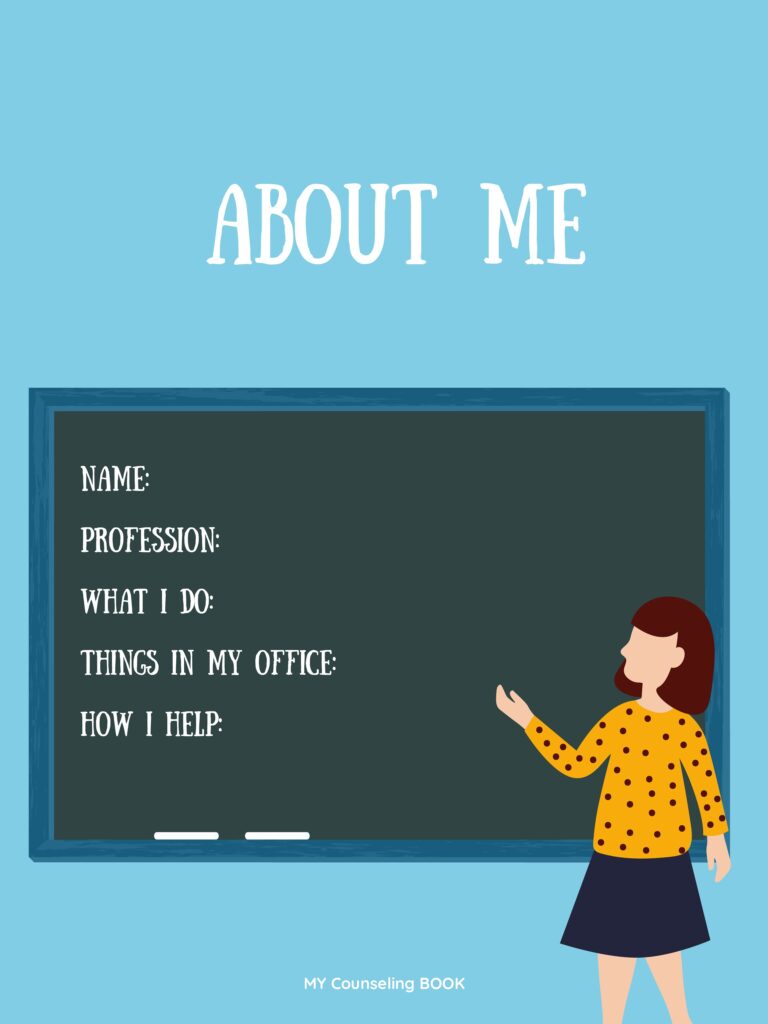
I try to create treatment goals the first session. Not only do I focus on creating the treatment goals, I try to make them feel comfortable by sharing about myself first. I change the narrative according to the kid’s age and developmental stage. This is a good way to create a theraupeautic bond.
- My name :
- My profession :
- What I do :
- About my office, things in my office :
- How I help kids and families:
- My name: Rohity but kids call me Ms. Roo like a kangaroo.
- My profession: Social Worker.
- What I do: Help kids and their families.
- About my office, things in my office: toys, games, plants, computer, dollhouse.
- How I help kids and families: I help kids and families navigate life, and help them identify, overcome, and heal from the hurdles, pain, and anything that they might be struggling with.
Cognitive Behavioral Therapy:
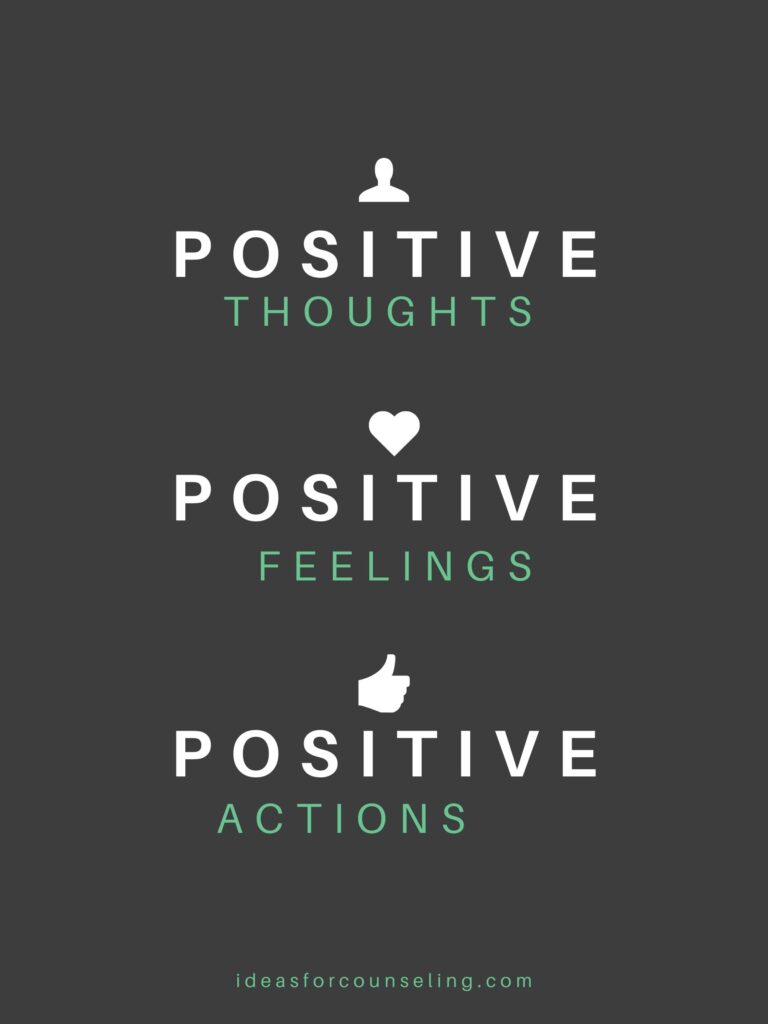
I introduce the concept of Cognitive Behavioral Therapy in my sessions. So, I introduce them to the basic concept. So, I teach them how knowing your thoughts, feelings, and actions can help you know ways you can feel better. You can do a deep dive into CBT from the link below.
CBT Cognitive behavioral therapy – Ideas For Counseling
This is also a good opportunity to talk about
1. THOUGHTS: People cannot read other people’s thoughts or know how they are thinking or what works for them. So, i talk about how sharing their thoughts can be beneficial in the session.
2. FEELINGS: It is important to talk about them, or share them so that they can be processed and can be dealt with. (They can choose to write about it, draw, talk, or act, write a story, a poem, or a song) about it.
3. ACTIONS: It is also a place where they can learn to heal, feel safe, and come up with ideas and decisions that can help them be better.

Confidentiality and rules of therapy
1. CONFIDENTIALITY: I discuss confidentiality and the rules of the counseling. I also share the importance of telling someone they trust, if they are in pain or hurt.
2. RULES: I also discuss the rules of counseling. My favorite one is no phone/tablet/electronics. 2nd rule is being respectful towards oneself or others.
References: https://www.pinterest.com/pin/112308584435808047/
Diagnosis and SMART goals
Before I start going into details about their diagnosis and goals. I usually ask these goals about their feelings about counseling.
1. FEELINGS ABOUT BEING IN COUNSELING: To make them feel comfortable and process their feelings can really help in the long run. Questions you can ask below.
-
- Why are you here? or why do you think your parents brought were here?
- What do you think will happen because you are here?
- What kind of feelings and thoughts did you have before you came here? How are you feeling about being here in therapy?
- Have you ever been in therapy in the past? What were the best thing you liked and one thing that you did not like about being in therapy?
- Is there anything I can do to make you feel safe and less nervous? (if they discuss their negative feeling and thoughts about therapy?
2. DIAGNOSIS: I educate them about their diagnosis, symptoms, severity, intensity, frequency, and conversation about the stigma around mental health, and if they have any questions or issues.
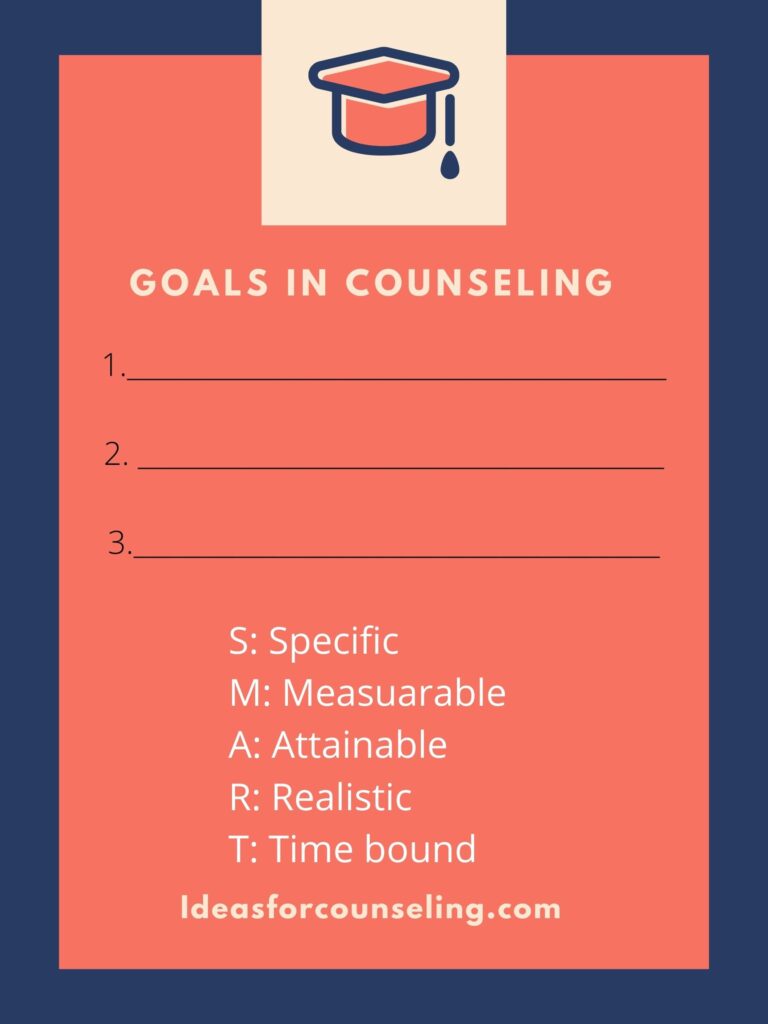
3. GOALS AND OBJECTIVES: It is very helpful to discuss the parent’s view of goals, how the children view their goals, and how the clinician/ provider views the goals and lets the child come up with their own goals. Sometimes, if the children don’t agree with the goals (for example ODD, argumentative, non-compliant), I usually use it to show how they can get out of the counseling by achieving the goals.
COURSE OF ACTION/ COPING SKILLS:
You will be surprised how much the children already have different coping skills. So, I also end my session by asking them what course of action they want to take, and what coping skills have they already used in the past. You can also see the link on coping skills to see the examples.
coping skills mental health – Ideas For Counseling
Then Lastly I end the session with these questions:
-
- What did they think about the session?
- If there is anything that they would like to be changed?
- Is there any time when you felt like I misunderstood you?


