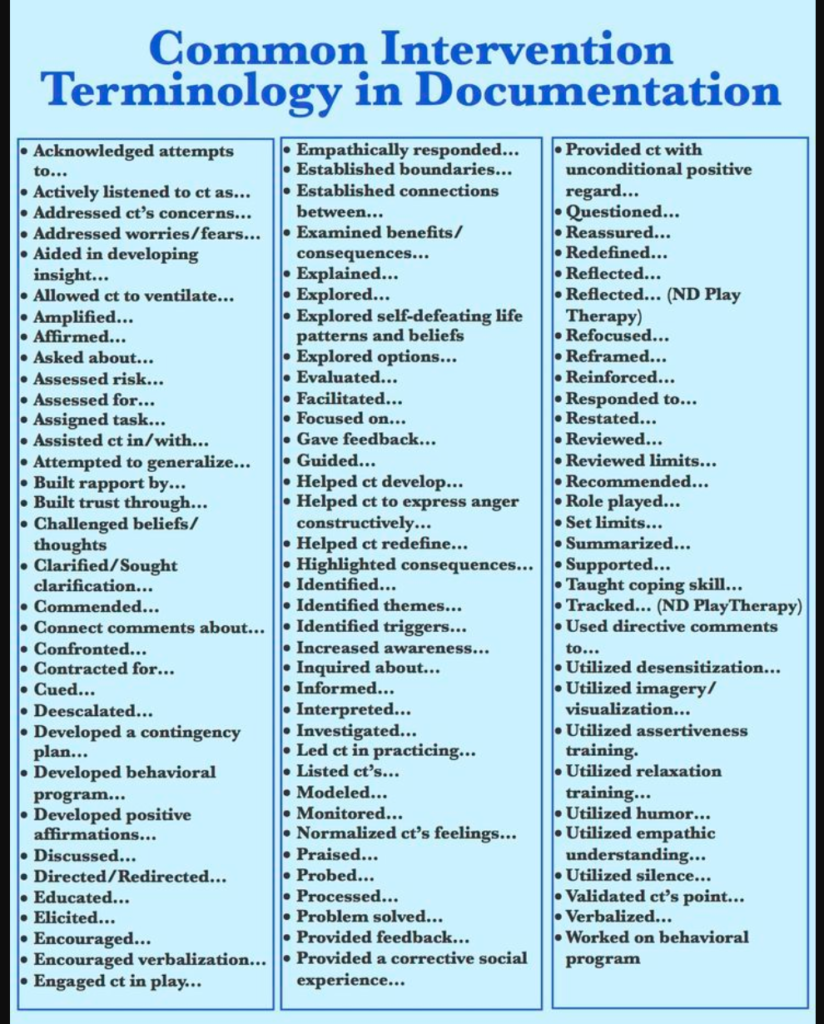
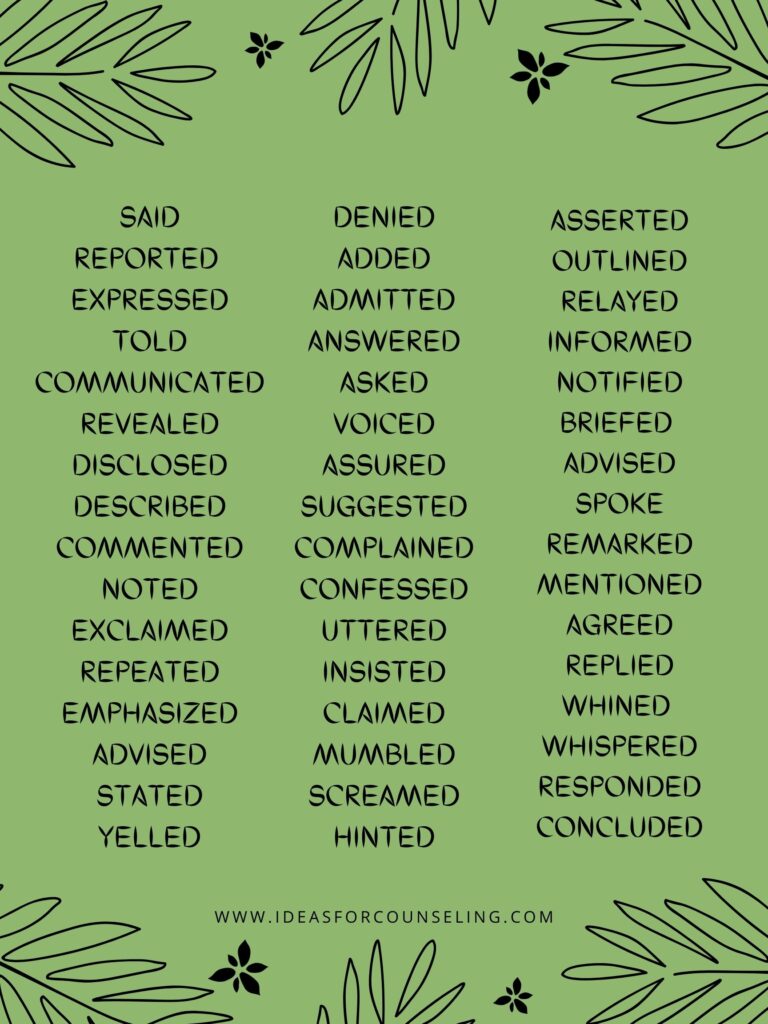
Therapy progress note cheat sheet
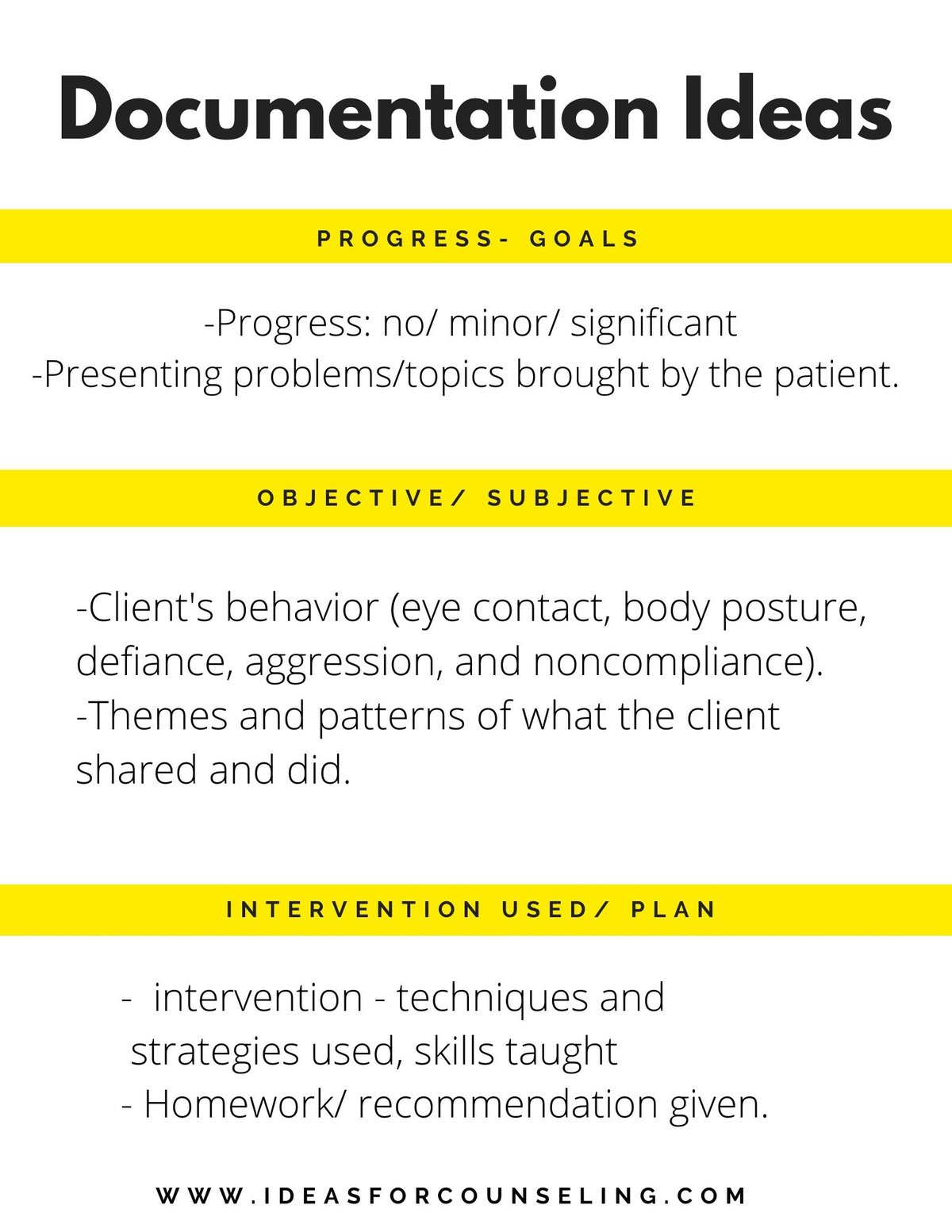
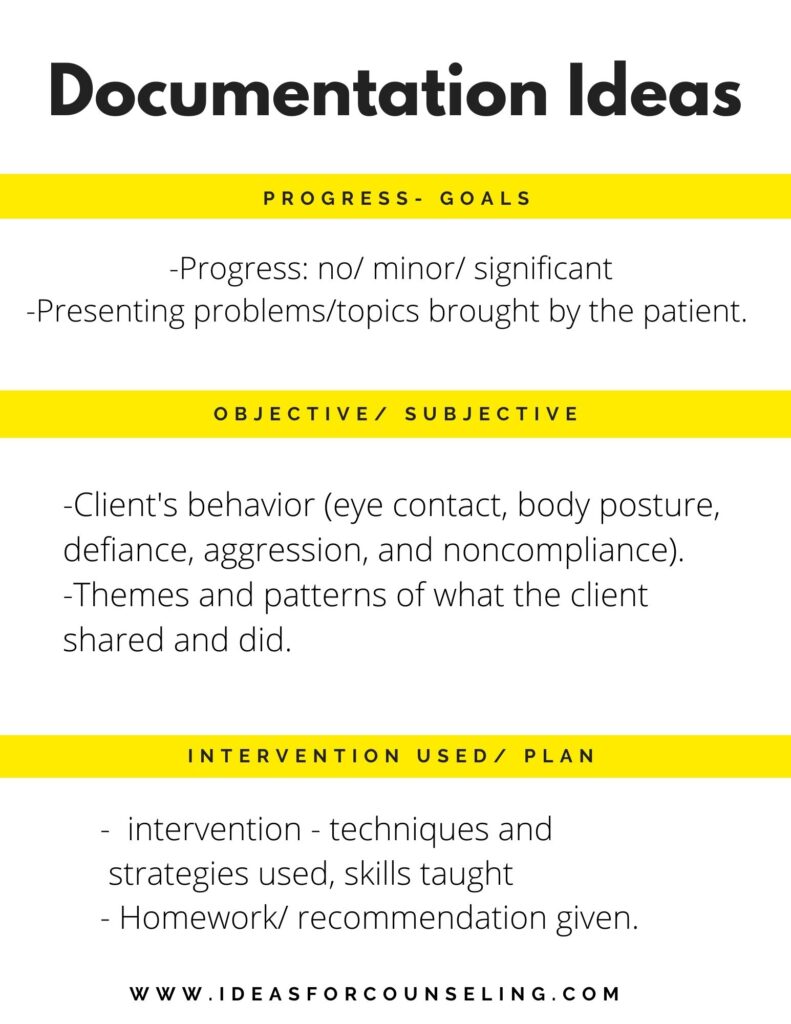
I have created these cheat sheets as something that automatically populates into my Electronic Health Record System at work. And I keep on using them again and again. I have also put in the link for these intervention so that you can get the free worksheet or resources that covers the intervention used in these cheat sheets.
Utilized elements Cognitive Behavioral Therapy (CBT) to work on identifying automatic thoughts, learn how they shape emotional and behavioral responses, as well as challenging their validity. Targeted automatic thoughts revolve around the concept of _ .
The session was focused on behavioral activation- identifying avoidance pattern, identifying the circle of depression and how the symptoms are connected and affect each other, scheduling fun activities, tracking progress and reinforcing the experience by writing about it.
The session was focused on activity monitoring- what were the triggers, thoughts, emotions, and behaviors, identifying patterns and triggers and discussed different problem solving skills to identify, analyze and resolve problems effectively.
The session was focused on discussions about different cognitive distortions (all or nothing thinking/ polarized thinking, overgeneralization, mental filter, disqualifying the positive, jumping to conclusions- mind reading, fortune telling, magnification or minimization, emotional reasoning, labeling and mislabeling, should statements, personalization) and also discussed about being aware of these thoughts and challenging these thoughts by asking “is it really true”, “is it helpful”?.
The session focused on identification of self-sabotaging behaviors that the thoughts can lead to, and reframing and alternative rational and realistic view of the situation, how situation, belief system, feelings, thoughts, and behaviors all connected.
Dialectical Behavior Therapy (DBT) Dialectical Behavior Therapy (DBT) – Ideas For Counseling
The session was focused on completing a behavior chain analysis on _ , exploration of his feelings, physical sensations, activating event, thoughts, and behaviors.
The session was focused on teaching the patient about mindfulness, and led a meditation activity on loving kindness focusing on self- directing love, empathy, understanding and kindness to oneself and others. The session was also focused on discussion about how self-criticism, and negative emotions towards others affect us, and gratitude, hope and care towards makes us feel good about yourself and help us be more resilient.
The session was focused on replacing unhelpful behaviors by identifying a trigger to those behaviors and consciously substituting it with a new, more constructive behavior that serves the same psychological need or provides a similar sensory qualities through behavior replacement.
The session was focused on mindful action plan – I am, here now, accepting, noticing, doing, what I care about- addressing internal world issues- “I am here now accepting the way I feel and noticing my thoughts, while doing what I care about”.
The session was focused on internal family system (IFS) therapy model- discussion of how human beings are composition of the internal system- parts, burdens, self; types of parts- exiles and protectors; managers divided into firefighters and managers, guided imagery on unbending from the part, use of 4 out of six F’s- find, focus, flesh out, and feel.
The session was focused on creative externalization- using arts to bring inner world to life – exploring the unique individual internal system with different needs, the thoughts, images, emotions, body sensations, impulses or outward actions or reactions associated with it, recognizing the valuable qualities, capacities and resources of those parts, and how to heal and let these parts rest rather than trying to protect the exiles parts.
The session was focused on exploring and understanding our own wounds that children inevitably evoke, setting healthier, non- controlling limits, and more nurturing family environment, improving the co-parenting experience, from reactive to responsive.
The session was focused on internal family systems (IFS) therapy- to find different parts within the internal system, identifying each parts, exploring the function of the part, helping the part blend away from the self, recognizing their existence and validating the pain that they carry, differentiate and elevate the self-energy so it can be an effective leader in the system, helping self-energy realize its strength of being a competent, secure, self-assured, relaxed, and able to listen and respond to feedback.
The session was focused on exploration of different inner parts, allowing oneself to uncover the elements of yourself, either buried or in surface, and using these part’s abilities to shine, connect and relate to self, others and the world, recognizing and validating the worries, fears or insecurities that each part at holding, reassuring, honoring and giving space to tall of them .
The session was focused on internal family system (IFS) therapy model- scripted guided imagery on finding the part, being aware of the body sensations, exploring the motivation, thoughts, feelings, or messages, its age, and fear if it stops playing the role, recognizing other parts that shows up, validating and acknowledging other parts, and exploring a solution to make sure the parts feel satisfied, secure, and safe.
The session was focused on providing psycho education on acceptance and Commitment therapy ACT hexagon model: defusion, values, contact with the present moment, acceptance and sensing the feelings, urges, body sensations, and thoughts, and lastly committed action.
The session was focused on exploring how things in client’s life has helped them meet the core yearnings (yearning for belonging, yearning for coherence, yearning for orientation, yearning for feeling, yearning for self directed meaning and yearning for competence).
The session was focused on finding out your true self- identifying the qualities and values to recognize what’s truly important in life and what drives you to be who you are. Discussed how our values shift and change positions, what was important yesterday, may no longer have any meaning for you today, and things that are key in one area of life, might be completely irrelevant in others, what matters is the effort to choose which values comes to the front and which ones move back.
The session was focused on goals- measurable, achievable, realistic, and timely; and motivational interviewing- exploring the ambivalent feelings regarding the behaviors, and finding insecurities to find the internal motivation, identifying discrepancies between their present circumstances and future goals, eliciting and measuring the commitment, identifying hurdles, strengths, and plans.